The game at a glance
| Topic | What it means |
|---|---|
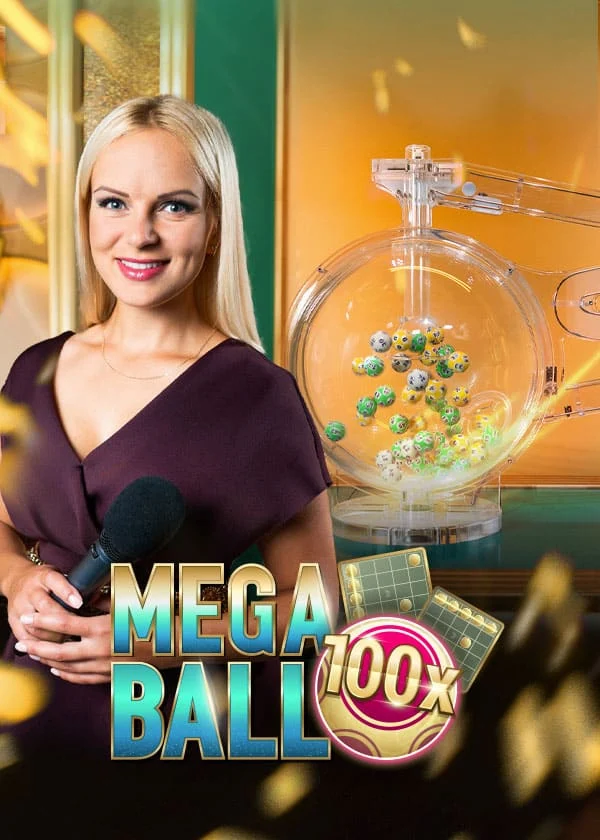
| Main draw | 20 from 51 balls |
| Mega Ball stages | 1 or 2 |
| Generated multiplier | 5×–100× |
| Two qualifying Mega Balls | Higher multiplier, not their product |
One winning card can hide a loss
Card quantity deserves the same attention as card denomination. Ten cards priced at 0.50 units each cost 5 units for the round. If the combined credited amount is 3, the net result is a 2-unit loss even though some cards paid. Doubling the number of cards doubles that example’s purchase cost; it does not turn every returned amount into profit.
Which multiplier actually applies
The special ball must satisfy the relevant line condition before its multiplier applies. When reconciling an example, first identify the qualifying card and its settled return, rather than multiplying the entire session stake by a prominent screen value. Keep card-level results separate until you have added them, then subtract the full cost of every card bought for that round.
Card count and denomination
Mega Ball is useful to compare with other numbered-draw shows by asking what must be matched and where the enhancement applies. Similar-looking balls do not imply identical tickets, line rules or features. Open the rules for the exact title instead of carrying a familiar card calculation into a different game. The product name is part of the calculation’s context.
Compare the draw rules
Check the purchase limit on the active table. Evolution’s overview and detailed instructions currently give different card caps, so a single universal number would be misleading here. The same caution applies to denominations and edition limits. If a return is disputed, retain the purchased-card total, round reference and final credited amount rather than only the largest individual card shown.
THE PRACTICAL DESK
Put the numbers to work
Change the example inputs to see how the arithmetic changes. These tools use the figures you enter; they do not read your casino account or predict a game result.
Round balance
Spending plan
Questions about this game
Does a paying card mean the round was profitable?
No. Compare all credited returns with the price of every card purchased.
Do two special-ball multipliers multiply each other?
The cited rules use the higher applicable multiplier on a winning card, not their product.
Why is no universal card cap given here?
The official overview and instructions conflict. Check the limit in the active table.
Official game information
Game details checked against Evolution’s product material. The active table’s help defines the edition, limits and settlement used by your operator.