Lightning Storm
Decode Lightning Storm labels and multiplier signs
Read the Lightning Storm layout as a map of distinct outcomes. The useful question is what each symbol changes: the qualifying wager, entry to a feature or the final credited amount. Compare those roles before interpreting a history label.
A wheel position, bonus name and several factors can appear together on one Lightning Storm screen. Separate those layers before interpreting them: each supplies a different part of the explanation.

Guide sections
A compact glossary for the betting screen
| Display | Interpretation |
|---|---|
| Numbered position | A location covered by a selection |
| Bonus symbol | The feature currently assigned to that position |
| Initial x value | A boost applied within the feature rules |
| Regular value | A value added in the relevant feature calculation |
| Global value | A modifier that multiplies the applicable regular values |
| Final multiplier | A completed outcome, potentially already including earlier boosts |
Read a number’s label before putting it into arithmetic. Position 10 identifies a location on the wheel; 10x identifies a factor. The presence of the position number does not, on its own, mean that the corresponding bet pays ten times its stake.
A label describes its place in the round
Leaf identifies a main-wheel outcome, while a numbered position identifies coverage on the board. A name such as Fireball or Hot Spot identifies the feature assigned during the spin. A multiplier belongs to a particular calculation stage; it does not replace the meaning of the position or feature label beside it.
A feature label can tell you what kind of bonus occurred even when the record omits the precise numbered wheel position that triggered it.


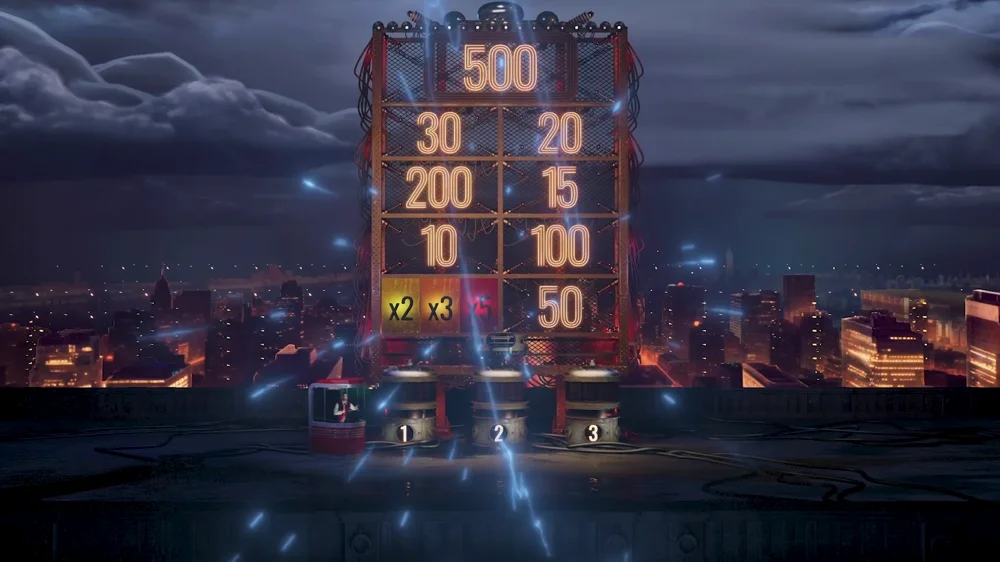
The main wheel is not a fixed bonus map
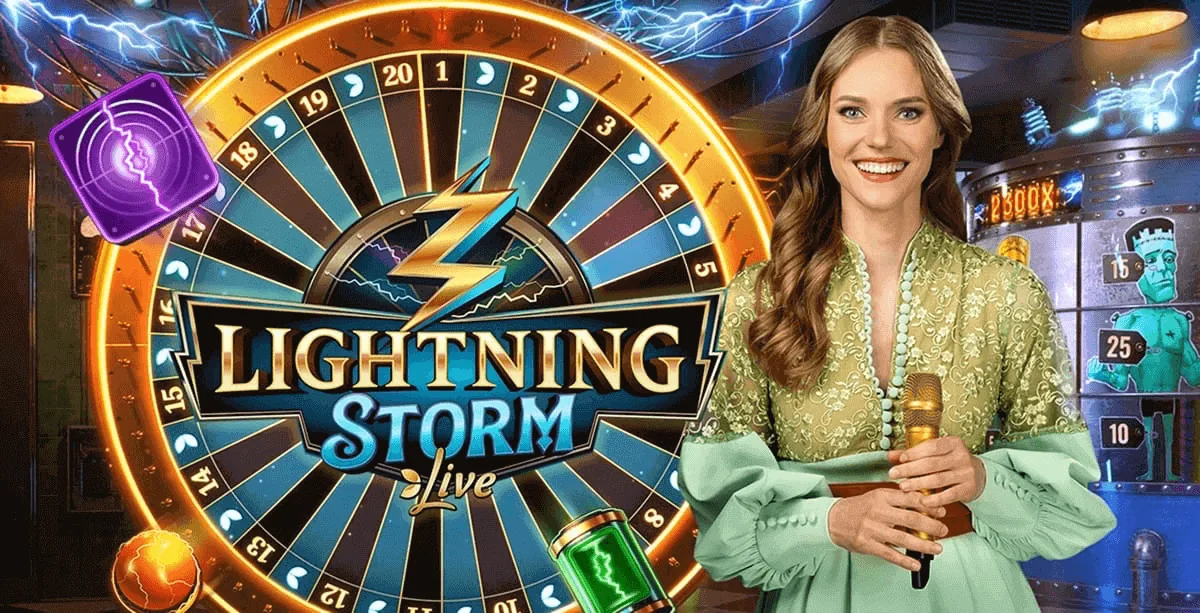
Although the DigiWheel contains 39 segments, its bonus symbols are allocated during each round. A photograph of one allocation therefore cannot be used as a permanent map of the assignments in future spins.
What a screenshot can establish
A screenshot records the layout and symbols visible at that instant. It cannot confirm a repeating sequence or identify how the following round will allocate its features.
Regular and global values use different operations
Monster Mash provides a clear arithmetic example. Regular values are added, so 4, 6 and 8 units total 18. Global values multiply the regular subtotal instead. If the final regular 8 becomes a global x8, the calculation is (4 + 6) × 8 = 80, not the original sum.
These values are invented to illustrate arithmetic. They do not describe an observed round or claim which values are available on the actual reels.
Double means follow the feature-specific rule
The doubling mechanism has a different target in each feature. Fireball’s Double increases regular values and relaunches the ball. Hot Spot uses a moving 3×3 wall area, while Battery Charger’s global battery affects the batteries still remaining in play.
The shared word does not imply a shared scope. Identify the values being changed and whether further feature events still follow the doubling step.
Position number versus multiplier: a reading exercise
Use a screenshot to practise separating the fields. Note the wheel-position number under selection, then the attached x value under modifier. Record the completed bonus value in a third field. The first identifies the covered position, the second an enhancement, and the third a later result; their neighbouring positions on screen do not make them equivalent.
This avoids multiplying a wheel-position number into a payout just because it sits beside a bonus icon. Payment follows the game’s paytable, not the visual arrangement of digits. Close-ups help with symbol recognition, but the complete betting board is required to inspect every selection and the combined stake accepted for the round.
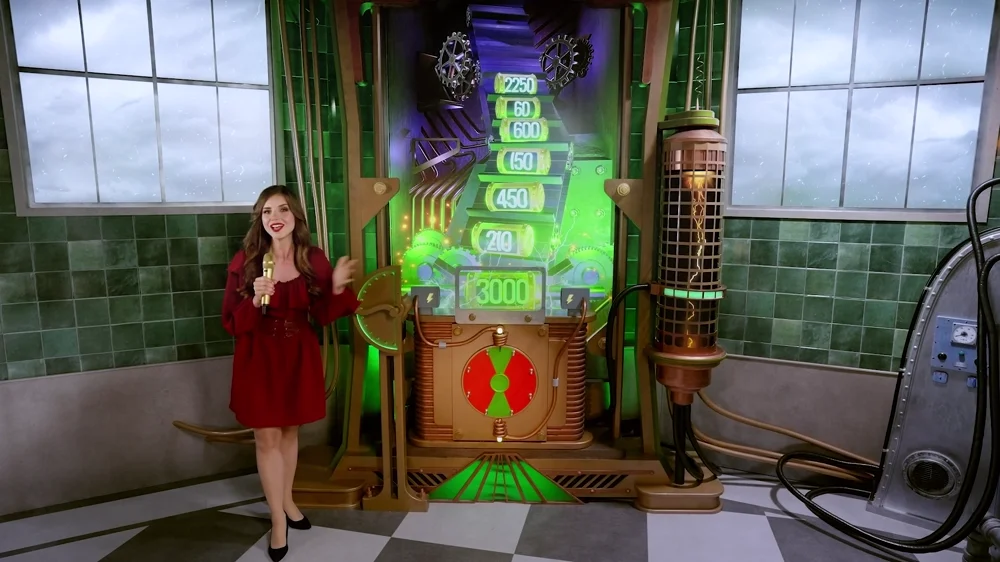
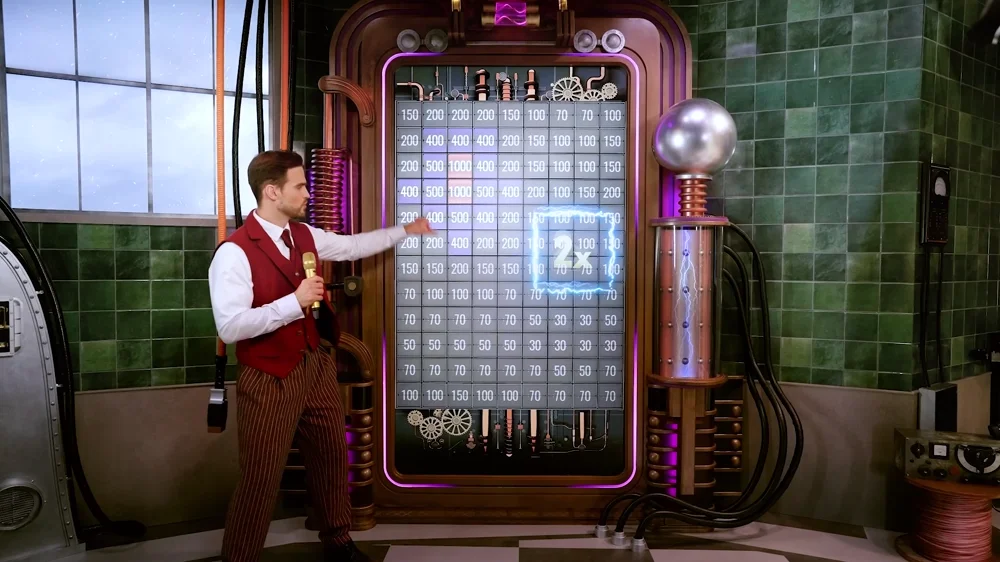
Match a history label to the full feature
For a Fireball entry, consult the feature explanation to see how multiple launches can contribute to the eventual value. Hot Spot and Lightning Storm entries may likewise compress events without preserving every tile or strike. A feature name points to the relevant rules; it does not reproduce every action taken during the bonus.
For a visual cross-check, start with the full studio view to locate the wheel relative to the betting panel, then examine a symbol-and-multiplier close-up. The smaller view may leave other selections and the total stake outside the frame, even though both are necessary for an account calculation.
Translate machine labels into readable names
Compact feed names such as EvoLeaf and BatteryCharger can be expanded into readable labels without altering the record they describe. The display should not add an imagined numbered position or supply participant choices that the source omitted.
When a label is unfamiliar, retain the source value visibly instead of quietly assigning it to a known bonus. Readers can then identify and inspect unexpected records rather than having them hidden by classification.
Use the symbols alongside the timestamps
To interpret a recorded symbol, pair it with the reported factor, bonus flag and source time. A symbol by itself is incomplete. Comparisons between two screens also require the same time window and the same set of available records; otherwise the views may describe different samples.
A large factor seen in a highlight relates to that specific event. It is not a substitute record for a missing interval in the current results feed.
THE PRACTICAL DESK
Put the numbers to work
Change the example inputs to see how the arithmetic changes. These tools use the figures you enter; they do not read your casino account or predict a game result.
Round balance
Follow the mechanic into another game
Lightning Dice shows how an enhanced betting position still depends on a physical dice total. Super Sic Bo uses a broader grid of questions about the same three-dice result. Compare eligibility before comparing headline multipliers.


Questions and answers
Does a bonus symbol stay on the same number?
No. The bonus positions are assigned while each round spins. An image of one round does not establish a fixed assignment for later rounds.
Is EvoLeaf a separate bonus?
EvoLeaf is the source’s compact name for Leaf. A readable label should still identify it separately from the named bonus features.
Are all x values multiplied together?
No. Depending on the feature, values can add or multiply, and a final result can already incorporate the earlier boost. Apply the rules of the particular feature.
EVOLUTION GAMES GUIDE