Crazy Balls
Learn Crazy Balls through previews and recorded rounds
Explore Crazy Balls by identifying what the preview actually lets you do. A recording, a spectator stream and an interactive virtual-credit session answer different questions. Use the exercises below to learn the sequence before interpreting any displayed result.
Choose what you want a preview to teach before opening it: reading a card, locating bonus choices or understanding the public history. A recording can clarify the interface without claiming to be a playable session or promising free bets. This page separates those learning tasks so that the available demonstration is judged for what it actually does.
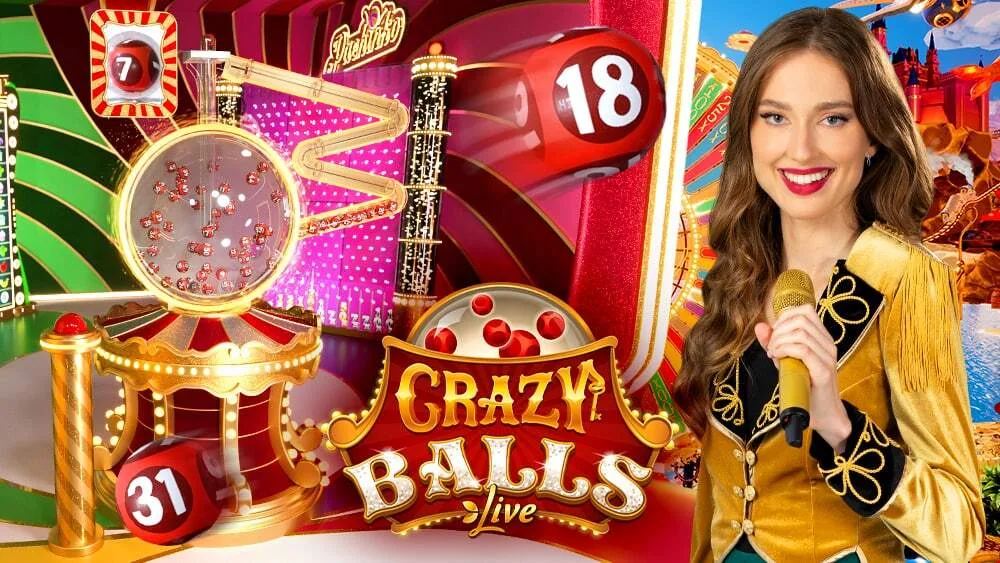
Guide sections
Evolution · Crazy Balls
Recorded preview
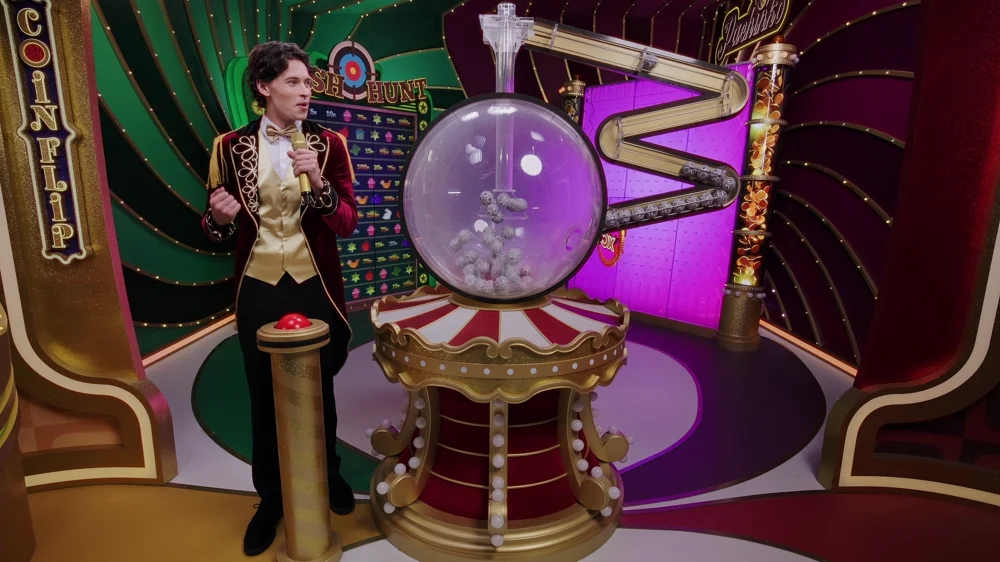
The preview is recorded; it is not a live broadcast or a playable casino table.
Identify the kind of demonstration being offered
A promotional clip shows the game’s appearance, while a replay shows a sequence already completed. Free-credit play is different again: it provides a playable session in which selections use a non-cash balance.
Match the mode to the exercise. A recording can show card states and bonus transitions; practising submission of choices requires an interactive session with virtual credit. Check the stated mode instead of assuming that a pictured betting panel accepts input. The official showcase makes access jurisdiction-dependent, while videos and this informational history can still help without implying that free-credit play is available everywhere.
| Format | What it demonstrates |
|---|---|
| Video | Presentation and sequence |
| Replay | A recorded past event |
| Free-credit mode | Interactive selections, where available |
| Results panel | Published records, not playable cards |
Practise card reading, feature tracking and timestamp checks
Try three observation tasks in sequence. Follow one regular card in a video, separating drawn-number marks from Free Spaces. Watch a bonus and locate the moment when the participant chooses something. Then open the recorded history and compare the newest source timestamp with the time of the page’s latest successful refresh.
These tasks exercise interface reading and interpretation of data. They neither recreate the pressure of spending a real balance nor verify that a withdrawal works. Note the precise question each task answers. That keeps a brief demonstration from being used as proof of a profitable approach or evidence that every account can access the game.

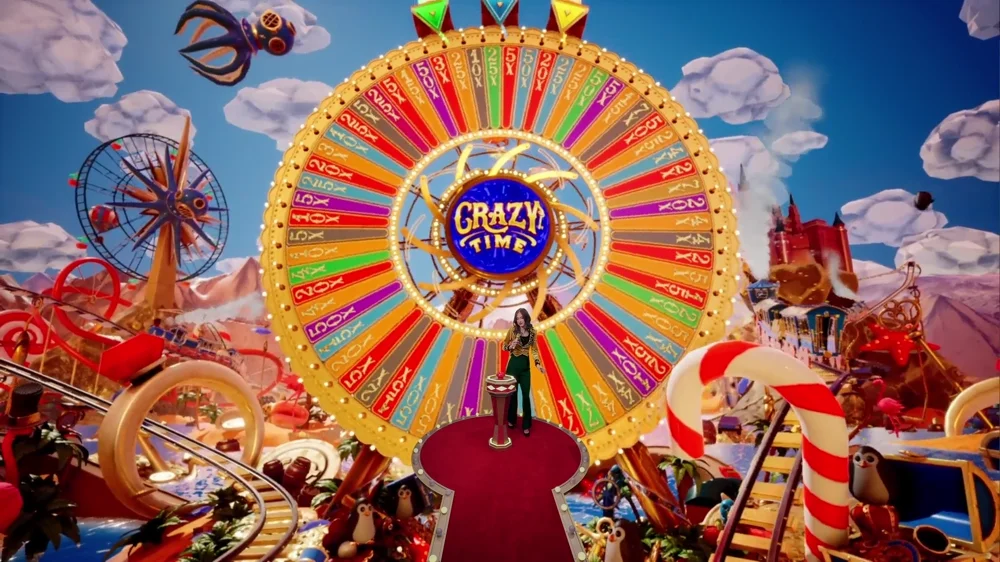
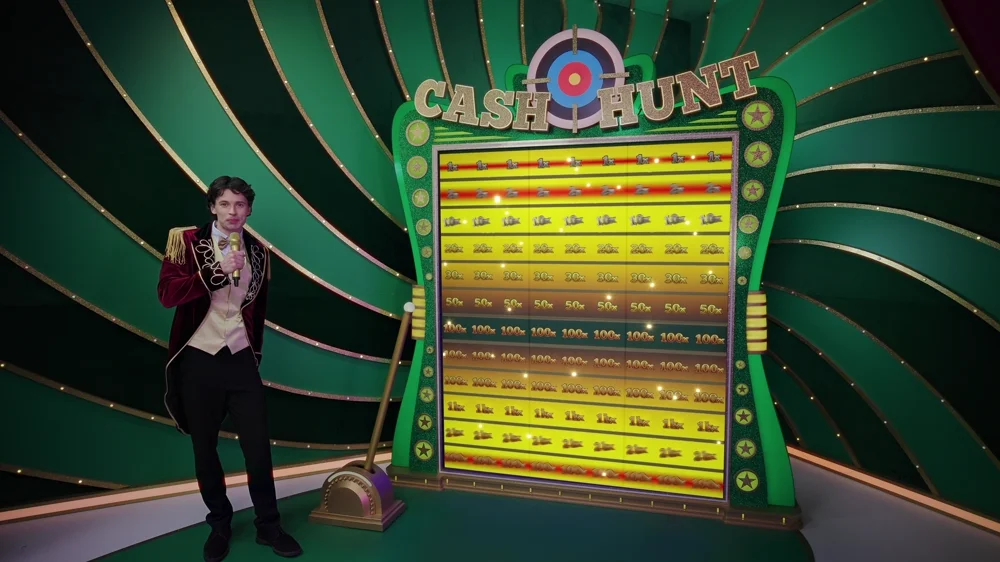
Follow the card’s state through the recorded round
Separate decoration from selection controls
A finished card can contain several kinds of marks at once: matched numbers, Free Spaces, multiplier badges and completed lines. Begin with the legend displayed inside the actual game, then watch one card through modifier allocation and the numbered draw. Tracking the stages explains how its final appearance was reached without treating every highlight as the same event.
A symbol describes either the card’s current state or a rule affecting it. Colour, a repeated number or an earlier feature label does not demonstrate that an outcome is due. Separate decorative artwork from controls that accept a participant’s decision, such as a Cash Hunt target or a Crazy Time flapper. Only the latter represent an instruction you can submit.
Choose the evidence needed for each exercise
Match the evidence to the question: counts within a stated period describe recorded activity, and a multiplier distribution describes the size of published feature values. Testing a personal staking approach is a different task, requiring complete records of accepted stakes and their settled returns rather than just the public feature list.
Each of those analyses needs a different input. A short highlights video is not equivalent to a full session, and a feature-only sample is not equivalent to all received records. Define the observation, retain chronological order and include losses relevant to the model. Choosing only favourable events after their results are known creates a selective account rather than a fair test of a decision rule.
Past observations do not supply a signal
Several consecutive Numbers labels may appear uneventful, but they hide the different card outcomes beneath those entries. Nor does a recently recorded Crazy Time feature start a known countdown to its next appearance. Neither pattern supplies the missing card-level information or determines the next draw.
The history describes the data source’s observations, not a memory that the next draw has to correct. Treat claims about guaranteed signals, secret algorithms or future outcomes critically. A method should explain its input and its treatment of missing card information. Without that explanation, a precisely formatted percentage cannot stand in for evidence that the claimed prediction works.
Check the publisher and genuine access route
Participating casino operators deliver Crazy Balls. A search listing called Crazy Balls APK does not, by that name alone, identify an official standalone application. Start with the verified operator website or genuine store page and inspect both publisher and destination before installing software. Where the operator supports it, the mobile website may already provide the interface you need.
Keep account details away from unrelated download services and purported prediction tools. The operator determines access, age checks and permitted locations. Neither this guide nor a promotional video proves that an account can lawfully launch the game in every country. Verify the conditions of the actual service separately from the language or appearance of a demonstration page.
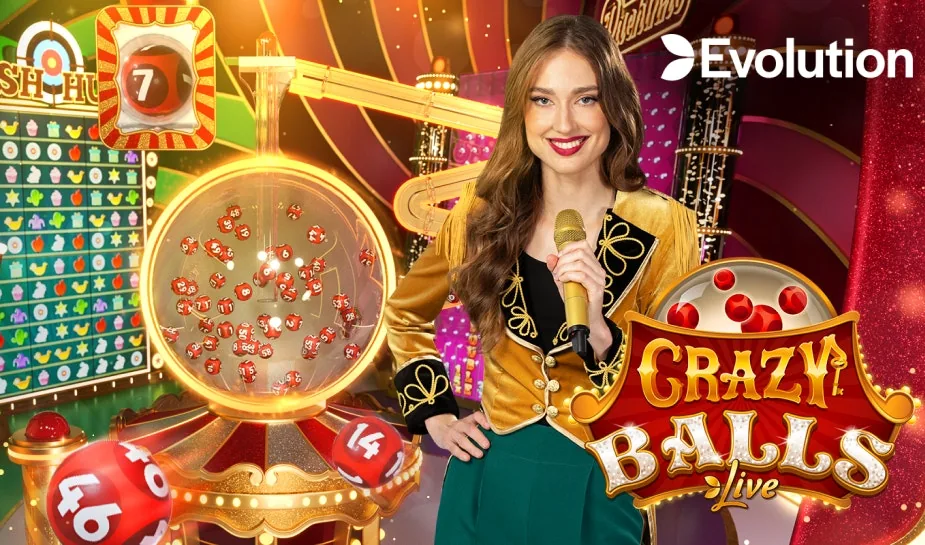
Practise with an explicitly virtual budget
Budget practice does not require a paid stake. Write down hypothetical cards, assign an amount to each and add the amounts before viewing the outcome. This distinguishes one small chip from the cost of the entire layout. Label the balance virtual throughout the exercise: a fictional total is not withdrawable money and does not measure the profitability of a real account session.
Stop a practice exercise at the point chosen in advance, including when the simulated balance is down. Extending it to recover changes the exercise. A familiar replay can feel easier because its ending is already known, but familiarity gives no control over a new draw. If considering real-money play later, set independent time and spending boundaries rather than carrying confidence from the practice result into a funded session.
Pause, predict the required condition, then inspect settlement
Pause a recording before the outcome and note the selection, complete stake and requirement for bonus entry. Resume the clip and follow the event to its final settlement display. This checks whether you understand the sequence while preserving a clear distinction: pressing the video’s controls does not submit a wager or change the recorded round.
For arithmetic exercises, the historical replay takes a starting balance, stake and an explicit assumption about gross return. It models loaded records rather than launching a playable Evolution demo. An actual free-credit table must identify its virtual balance and accept interactive selections. Do not provide payment details solely to unlock an alleged game download or a tool promising predictions.
Before you use this page
Tick off the checks that you have completed. The list resets when you reload; no account data is requested.
Questions about previews and free-credit play
Is a Crazy Balls video the same as a playable demo?
No. Recordings show an already completed sequence. Genuine free-credit play accepts selections against a non-cash balance, where that interactive mode is available.
Can the recent results predict the next draw?
The labels tell you what was recorded previously. They do not identify the numbers, completed lines or bonus outcomes that the next round will produce.
Does the history show my complete card result?
No. Public source records omit individual stakes, card layouts, completed lines and some participant choices within bonuses. They cannot serve as a personal winnings statement.
EVOLUTION GAMES GUIDE