Red Door Roulette
Evaluate a roulette plan without turning history into a signal
Put a Red Door Roulette staking idea through an accounting check before looking at a result chart. Specify the full cost of a round, the amount exposed over a session and the stopping point. A budget model can answer those questions even when the next outcome remains unknown.
Begin a strategy comparison by stating what the plan changes: positions, chip size, number coverage or when to stop. Those choices do not make a past number sequence predict the next pocket. Keep the game’s feature rules distinct from the arithmetic used to manage a budget.

Guide sections
Define the total round budget first
With ten units to spend, covering ten numbers allocates 1 unit to each; covering five allocates 2 to each. If the chip denomination is left unchanged while coverage changes, the plans use different total budgets. Equal-spending comparisons must account for that difference explicitly.
Specify the combined stake, target and stopping rule before examining the history. Otherwise, a favourable section of results can be chosen after the fact, making the comparison depend on knowledge of the outcome.
Use the correct base payout
Ordinary straight-up bets pay 19:1 in this game. A replay designed for classic 35:1 roulette needs that rate adapted before its output is meaningful. Bonus settlement requires additional assumptions tied to the actual feature rules, rather than the ordinary payout alone.
Five number bets at 1 unit each cost 5. If one receives an ordinary straight-up win, the gross return is 20; if all miss, the round loses 5. This calculation makes the assumptions visible without claiming to forecast which of those outcomes will occur.

Coverage is not a free advantage
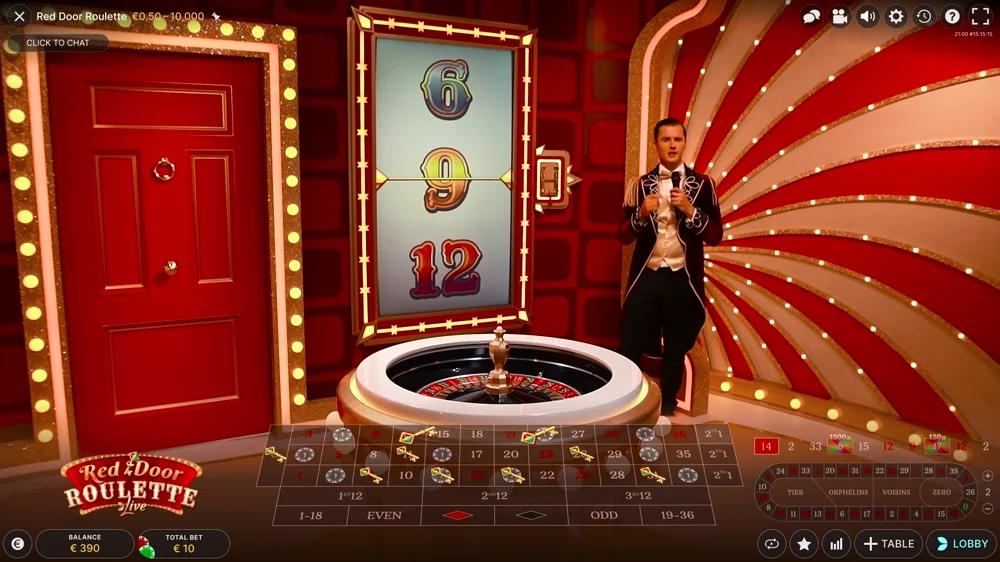
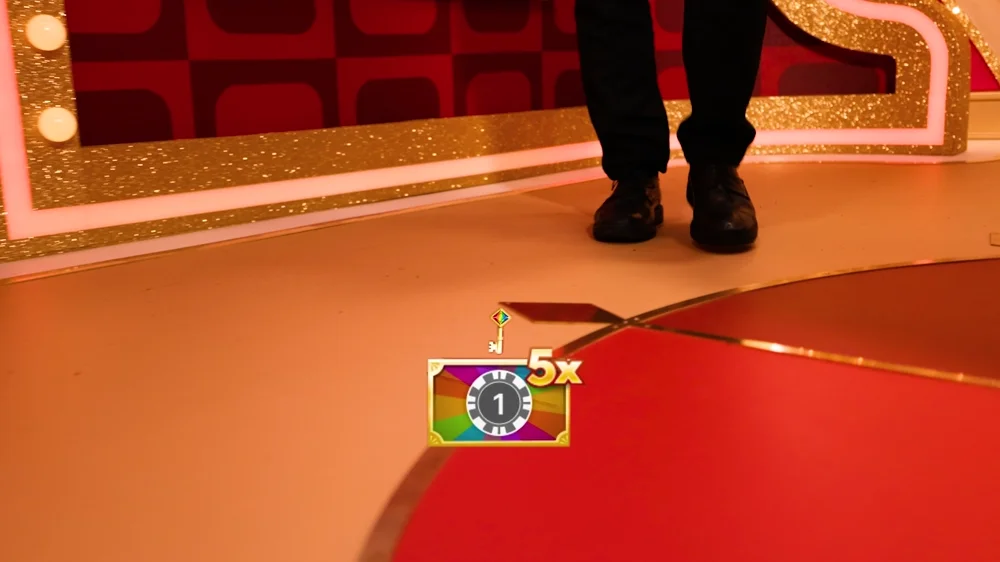
More backed numbers cover more pockets, normally at a higher combined cost. Holding the round budget fixed means reducing the amount per number instead. Group selections continue to use their own rules and do not acquire straight-up feature eligibility merely by covering the same winning pocket.
Counting only winning rounds can conceal the cost and payment differences between layouts. Compare the net credited amount and total turnover as well, rather than judging a plan solely by how often some return appeared.
What progressions actually change
Martingale raises stakes following losses, whereas Paroli raises them after wins; other progressions use different sequences. They alter the exposure and the risk of encountering a budget or table boundary. They do not alter the underlying probability of the next numbered pocket.
A fixed budget may prevent the next stake prescribed by a progression. A model that keeps playing with a negative balance or ignores the table limit is tracing an account path that could not actually be followed.
Why source data cannot recreate every bankroll
The feed contains the pocket, time, multiplier and bonus flag. It lacks the complete layout of your chips, all intermediate feature states and the exact rules mapping that event to your account transaction. Those missing inputs limit what can be inferred about personal returns from the public record.
State the payout assumptions in any hypothetical calculation and leave unsupported cases out of its claimed result. A general source factor is not verified personal profit, and a curve fitted to past outcomes does not prove an advantage for future play.
Set a stopping rule independent of the last number
Select a spending ceiling and an end time before beginning. These boundaries limit exposure rather than improve the odds of roulette. A number’s absence or a feature that feels overdue is not a reason to raise the ceiling after the session has started.
Review each plan against the same sample and constraints. If it appears effective only over a small, hand-picked run, describe that limitation explicitly instead of presenting the result as evidence of a successful strategy.


Predictors, Telegram signals and claims of guaranteed wins
Past outcomes do not expose the next one. A prediction claim needs calls published before the rounds, a complete ledger including wrong calls, consistent treatment of stakes and independently reproducible results. Selected winning screenshots and an asserted success rate leave out the cost of the failed predictions and cannot substitute for that record.
This dataset establishes no edge from an apparently overdue bonus or preferred playing hour. Reading public records has no need for casino passwords, remote-device access or advance fees to release alleged winnings. Keep account access inside the operator’s verified service rather than handing it to a purported signal tool.
THE PRACTICAL DESK
Put the numbers to work
Change the example inputs to see how the arithmetic changes. These tools use the figures you enter; they do not read your casino account or predict a game result.
Spending plan
Round balance
Follow the mechanic into another game
Gold Vault Roulette and MONOPOLY Roulette also build special features around a single-zero wheel. Their enhancement and qualification rules differ, so transfer neither the payout nor the eligibility rule from one table to another.


Questions and answers
Does Martingale change the chance of a number?
No. It changes stake size and risk exposure.
Can I use a standard 35:1 roulette calculator?
Only after adapting it for the 19:1 ordinary straight-up rate and the specific feature rules. A calculator retaining classic roulette assumptions cannot be reused unchanged.
Does a hot-number chart predict the next round?
No. It summarises the chosen historical sample.
EVOLUTION GAMES GUIDE