Red Door Roulette
Understand the number grid and bonus symbols
Read the Red Door Roulette layout as a map of distinct outcomes. The useful question is what each symbol changes: the qualifying wager, entry to a feature or the final credited amount. Compare those roles before interpreting a history label.
Start with the numbered pocket as the base outcome. Keys and multipliers describe additional feature stages, without replacing that pocket or specifying every player’s return. Read each symbol at the point in the round where its rule applies.


Guide sections
The 37 numbered pockets
The roulette wheel comprises 0 and the numbers 1–36. Green zero is outside the red/black and odd/even groups used by standard outside bets. A zero result is a valid completed number outcome, not a blank entry that can be removed from the history.
Retain 0 as an actual value in filters and spreadsheets. Treating it as empty can quietly discard genuine rounds, changing both the number counts and the denominator used for colour-frequency calculations.
Keys identify this round’s bonus numbers
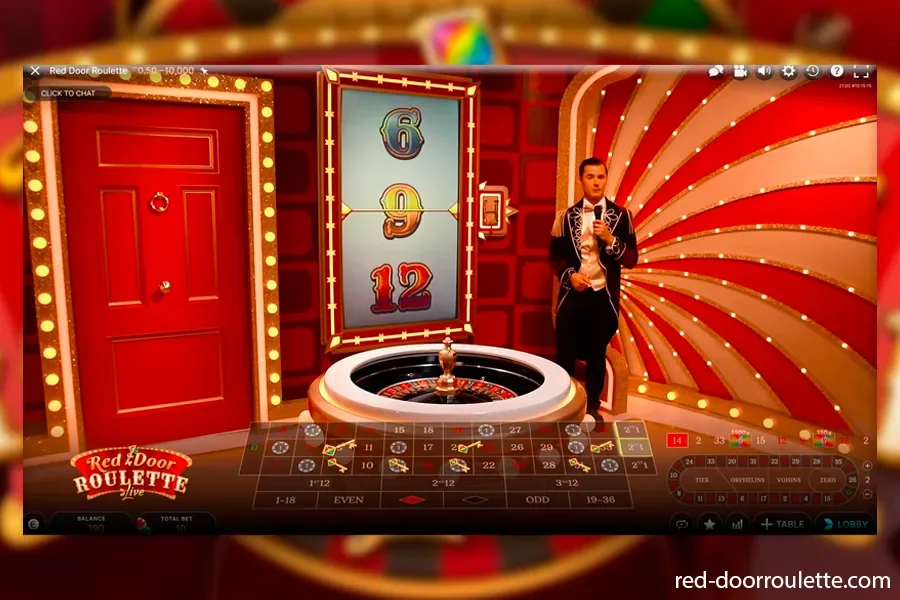
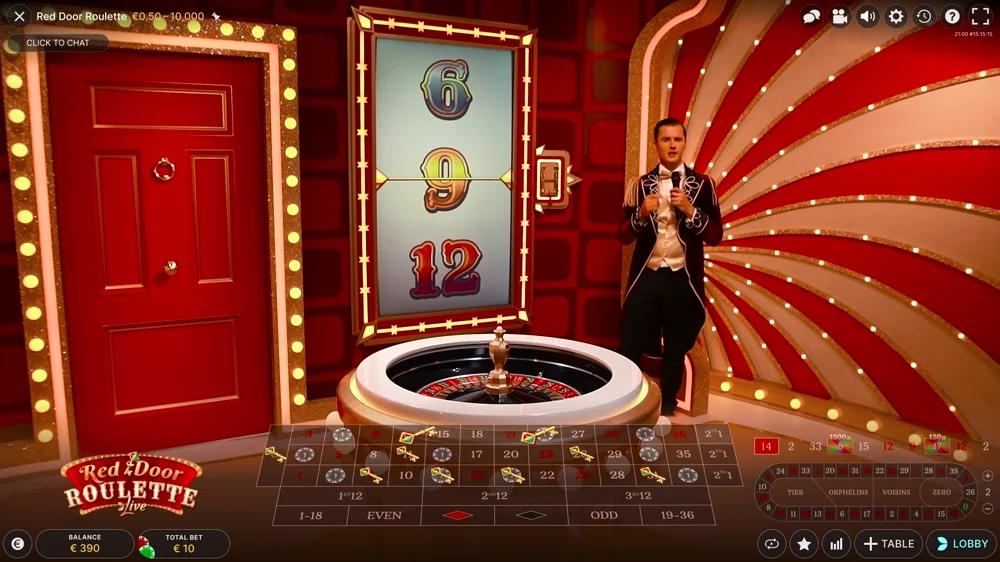
After the deadline, keys are allocated to between 3 and 15 different numbers. A number cannot receive several keys in the same assignment. Each symbol marks possible feature eligibility, which still depends on that pocket winning and the player having the necessary straight-up bet.
A key does not guarantee a win, and it is not permanently attached to its number. Before combining information from two screenshots, confirm that they represent the same round and therefore the same key allocation.

The modifier changes values, not coverage
A modifier ranging from 2x–20x may appear during the feature sequence and alter the relevant bonus or payout values. It changes a value at that stage, not the physical number of pockets occupied by the roulette number on the main wheel.
A displayed 10x therefore does not mean a probability of 10 in 37. Identify whether you are looking at a pre-feature modifier, a segment value on the bonus wheel or the factor in a completed source record.
The 64-segment bonus wheel
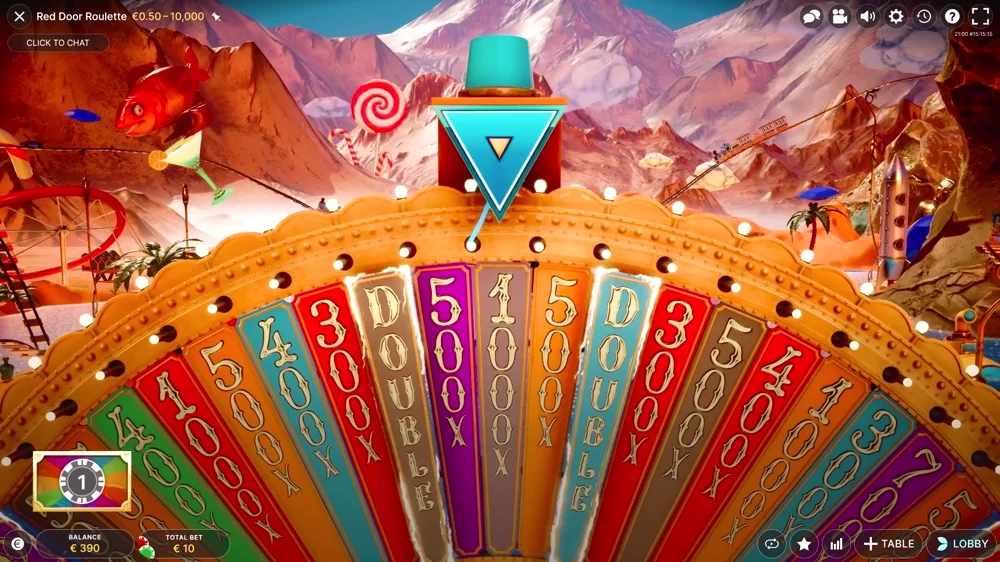
Behind the red door is this game’s Crazy Time-style multiplier wheel, whose segments are not roulette pockets 0–36. The number 12 landing in roulette and a 12x segment on the feature wheel belong to different stages and carry different meanings.
The indicated feature value is applied according to the bonus rules. Do not combine it indiscriminately with the ordinary 19:1 straight-up rate when interpreting recorded footage or a row in the history.
DOUBLE means the feature continues
DOUBLE raises the bonus-wheel values and continues the feature with another spin. It is neither advice to double the next stake nor a statement that the player’s account balance has doubled.
An image taken while DOUBLE is displayed does not establish the completed feature multiplier. Follow the sequence to its end and use the final account transaction when checking the actual settlement.
Map source labels without inventing detail
A source row includes a result, multiplier, bonus indicator and timestamp. The numbered label supports number-frequency counts, while the flag identifies events the supplier marks as bonuses. Neither field necessarily contains every allocated key or each intermediate animation of the feature wheel.
Leave unavailable information unresolved. The final pocket does not reveal all keyed numbers, and a source factor should not be turned into an exact account return unless a documented settlement mapping supports that interpretation.


Number position, colour and bet coverage
A number names one pocket, while its colour places it in another betting group. The arrangement around the physical wheel is also different from the ascending layout on the grid. Two numbers adjacent on the screen are not necessarily neighbours around the roulette wheel itself.
Do not infer coverage from proximity
Position matters when placing a chip: a single numbered rectangle and a border shared by several rectangles represent different selections. Before relying on terms such as split, corner or line, inspect the selection highlighted by the table. The playing page provides a full payout table linking each of those bet selections to its own return rate.
The flapper is a bonus-wheel indicator
The bonus wheel uses an indicator commonly called a flapper. Where a choice is offered, follow the controls and countdown of that actual table. A picture showing one indicator cannot establish every participant’s result, or prove that another selection would have received an identical settlement.
Keep the flapper distinct from the roulette ball. The ball selects the initial numbered pocket; the indicator selects a segment later in the bonus. For the same reason, one public multiplier may not describe all individual paths through the feature.
Distinguish a payout ratio from a multiplier label
The ordinary straight-up notation 19:1 expresses profit compared with the winning stake. A 2x label expresses multiplication at a specified stage. Treating both labels as equivalent gross-return notation can lead to adding the original stake twice or omitting it from the calculation.
Check the context of a label against the table rules, then reconcile it with the final transaction. The published maximum is represented by the 4,000x headline; a dashboard row is instead a supplied historical record. Neither provides the cost of all chips in a layout or replaces a personal settlement statement.
The key display is not a separate slot game
The slot-like panel beside the roulette table assigns keys within this game. That appearance does not create selectable slot paylines, a purchased spin or conventional free-spin symbols. The relevant starting point remains the roulette layout that was accepted before the later key animation began.
Generic casino vocabulary in a search result can conceal this distinction. Identify the single-zero layout, the actual key reveal and the 19:1 straight-up rule. A description based on selectable paylines or an ordinary slot bonus-buy screen either concerns a different product or uses the wrong terms for this one.
Read colour summaries with all three categories
There are 18 red pockets, 18 black pockets and one green zero on the single-zero layout. With equally likely pockets, each colour covers 18/37, approximately 48.65%, and zero about 2.70%. These are mathematical coverage ratios, which need not match the percentages observed in a particular historical sample.
Actual source samples can differ from the modelled proportions. Preserve zero in the displayed data instead of forcing red and black to sum to 100% of all rounds. If zero is intentionally excluded, the chart title and denominator must identify that restriction.
THE PRACTICAL DESK
Put the numbers to work
Change the example inputs to see how the arithmetic changes. These tools use the figures you enter; they do not read your casino account or predict a game result.
Round balance
Follow the mechanic into another game
Gold Vault Roulette and MONOPOLY Roulette also build special features around a single-zero wheel. Their enhancement and qualification rules differ, so transfer neither the payout nor the eligibility rule from one table to another.


Questions and answers
Is zero an empty result?
No. Zero is one of the 37 numbered pockets and must remain in the sample.
Does a key mean that number will win?
No. It marks feature eligibility for the current round.
Is DOUBLE a betting-system instruction?
No. DOUBLE is a bonus-wheel event that raises its values and starts another spin within the same feature. It is not a separate instruction to alter a bet.
EVOLUTION GAMES GUIDE