Crazy Time
Read the Crazy Time wheel before reading its statistics
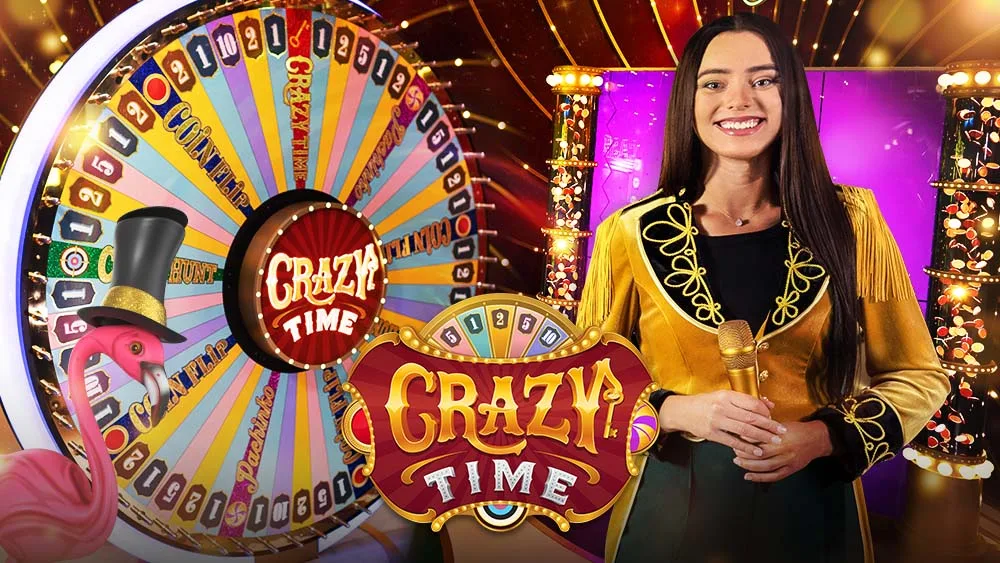
Read the Crazy Time layout as a map of distinct outcomes. The useful question is what each symbol changes: the qualifying wager, entry to a feature or the final credited amount. Compare those roles before interpreting a history label.
Read the label before reading the statistic. A numbered wheel position, a bonus symbol and a multiplier describe different things, even if a result tile places them beside one another. Knowing that distinction is the starting point for interpreting the charts.
Guide sections
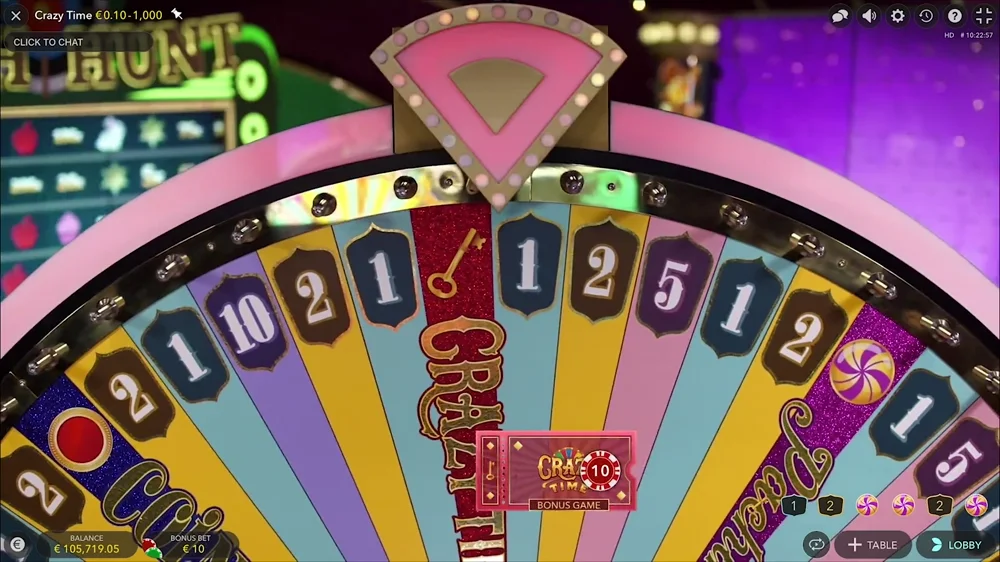
The 54 positions on the main wheel
| Selection | Segments | Share of wheel |
|---|---|---|
| 1 | 21 | 21/54 |
| 2 | 13 | 13/54 |
| 5 | 7 | 7/54 |
| 10 | 4 | 4/54 |
| Coin Flip | 4 | 4/54 |
| Cash Hunt | 2 | 2/54 |
| Pachinko | 2 | 2/54 |
| Crazy Time | 1 | 1/54 |
The fractions express the wheel’s composition, not a required sequence. Two positions carrying a symbol do not oblige it to appear exactly twice in every set of 54 spins.
Numbers are selections, not a running score
Numbers 1, 2, 5 and 10 name four separate betting positions. A history reading 1, 1, 10 lists three outcomes rather than a running score. Settlement of a numbered win can also be affected by a matching Top Slot factor.
Establish what the chart groups before drawing conclusions. Counting wheel outcomes and grouping by the feed’s multiplier field produce different distributions, each answering a different question.


Bonus symbols open a second stage
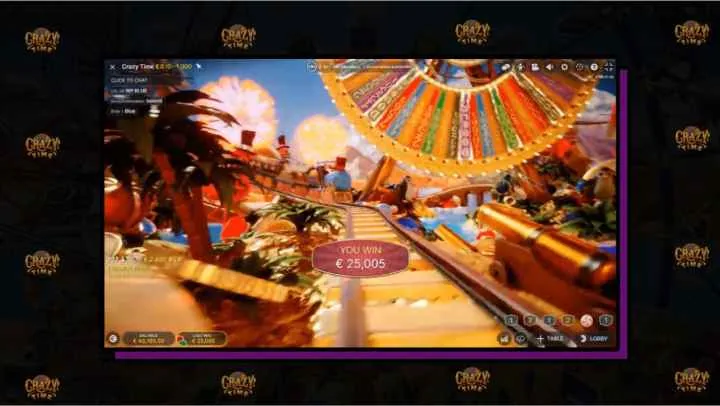
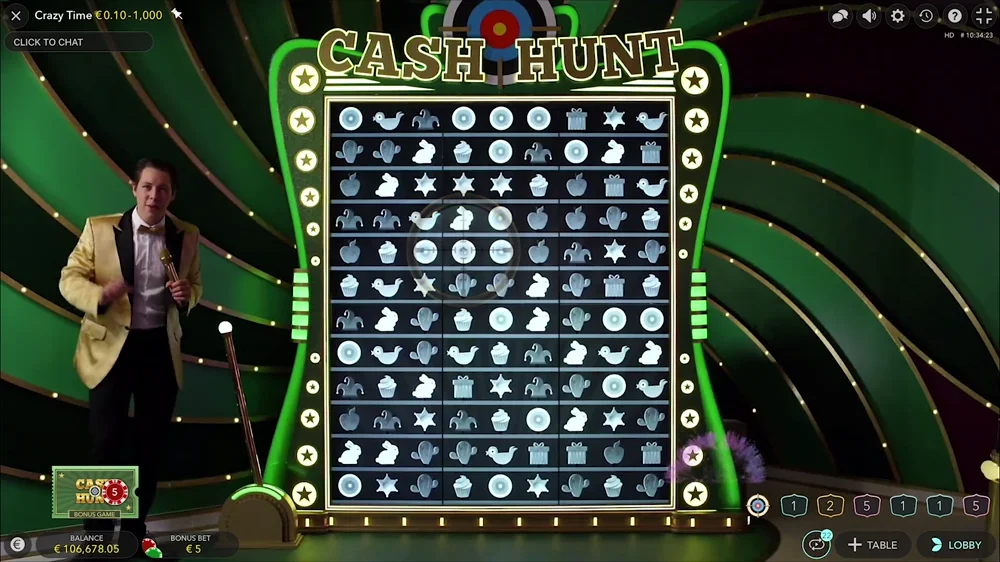
Each of Coin Flip, Cash Hunt, Pachinko and Crazy Time names its own bonus. Their combined nine positions make up one sixth of the wheel. The individual symbols have different segment counts, so they do not share the same layout frequency.
A bonus symbol identifies the feature that began. It does not describe every participant’s decision or final reward. In particular, a history label naming Crazy Time is not a full account-settlement statement.
Keep the three multiplier displays separate
Top Slot
This factor is assigned to a selection before the result and takes effect only when the main-wheel outcome matches it.
Bonus feature
Reward values belong to the bonus screen’s own sequence, which can include further multiplied or repeated stages.
Recorded API value
The multiplier field belongs to the public data service’s record. Keep its documented meaning intact instead of assuming that it represents personal net profit or the product of every figure visible during the round.
Read compact labels without losing their meaning
Some feeds use compact labels such as CoinFlip and CashHunt. Displaying them as Coin Flip and Cash Hunt improves readability without changing their categories. An unfamiliar label, however, should remain identifiable rather than being converted into a known symbol through guesswork.
Zero means that the chosen sample contains no matching entries; it does not mean a feature has disappeared from the game. If the sample is unavailable, report that status instead of filling the display with zero counts.
Use the layout as context for a sample
Inspect the period and record count before comparing observed frequencies. A ten-round sample tells much less about an uncommon symbol than several hundred entries. Increasing the sample still cannot establish the timing of the next bonus.
RTP incorporates settlement rules as well as outcome probabilities. A diagram of 54 wheel positions helps explain frequency, but it cannot supply the information contained in the bet-specific paytable or replace that table.
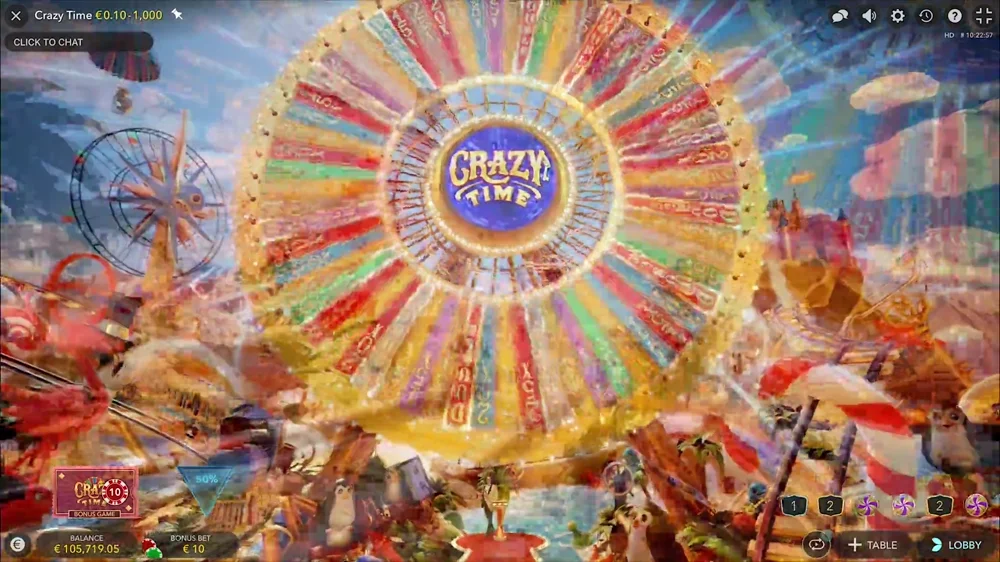
Turn segment counts into comparable percentages
The layout shares are 21/54 for number 1, approximately 38.89%; 13/54 for number 2, approximately 24.07%; and 7/54 for number 5, approximately 12.96%. Number 10 and Coin Flip each occupy 4/54, approximately 7.41%. Cash Hunt and Pachinko each take 2/54, approximately 3.70%, while Crazy Time occupies 1/54, approximately 1.85%.
Rounding can cause these percentages to total slightly more or less than 100%. They describe the wheel’s layout, rather than outcomes measured during a session. On the results page, observed percentages instead use the number of records actually loaded as their denominator; keep the two measures distinct.
Rounding can affect percentage totals. Do not infer that a wheel segment is missing from a calculation that uses rounded percentages.
THE PRACTICAL DESK
Put the numbers to work
Change the example inputs to see how the arithmetic changes. These tools use the figures you enter; they do not read your casino account or predict a game result.
Round balance
Follow the mechanic into another game
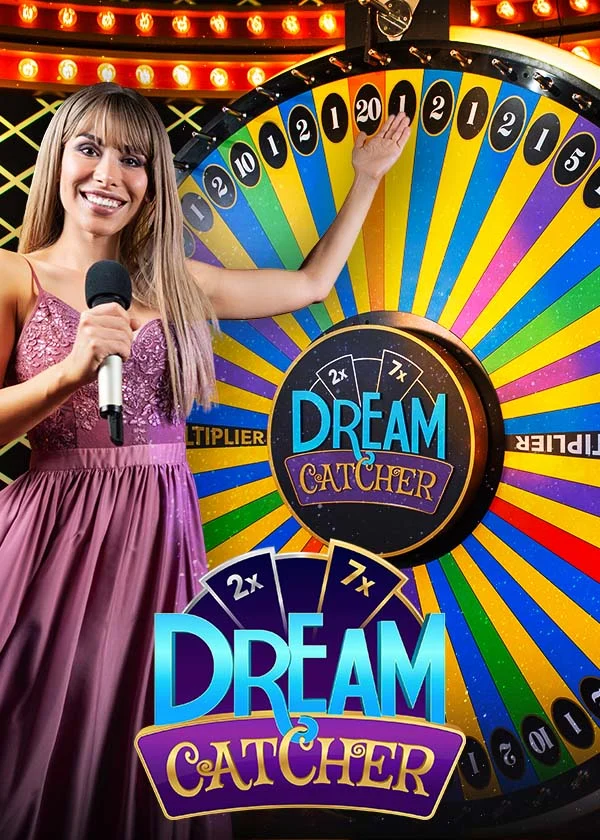
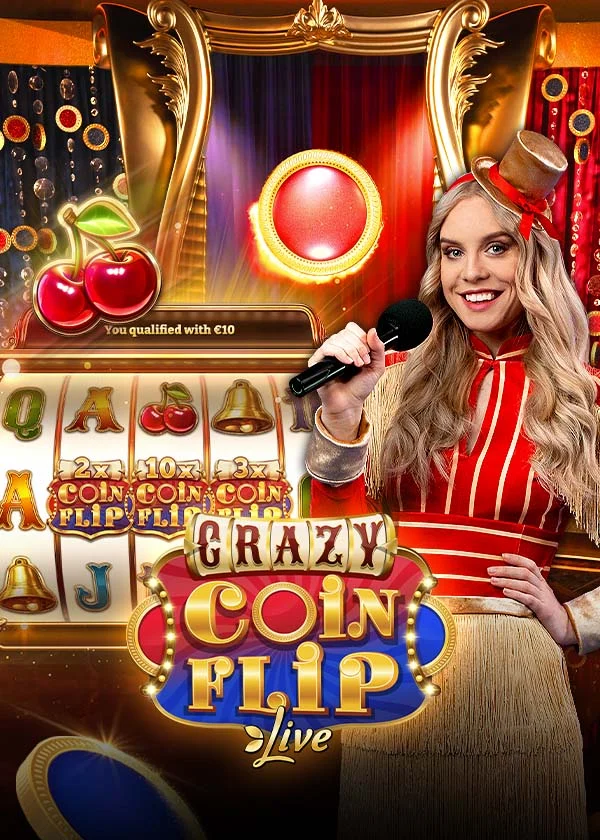
Dream Catcher isolates the continuing wheel sequence; Crazy Coin Flip turns qualification and Top-Up into a separate slot-to-studio journey. Compare how a wager enters and leaves each round.
Questions and answers
How many segments show Crazy Time?
One of the 54 main-wheel segments is the Crazy Time bonus symbol.
What proportion of the wheel is bonuses?
The bonuses occupy nine positions out of 54: Coin Flip has 4, Cash Hunt 2, Pachinko 2 and Crazy Time 1. Their combined share is one sixth.
Does multiplier mean the same as the wheel number?
No. The numbered label identifies a wheel selection, while a factor may belong to Top Slot or a later bonus stage.
Why does my sample have no Crazy Time bonus?
An uncommon symbol may be absent from a finite sample. That absence does not reveal what the next round will produce.
EVOLUTION GAMES GUIDE